
The Top Reasons to Side with Vinyl
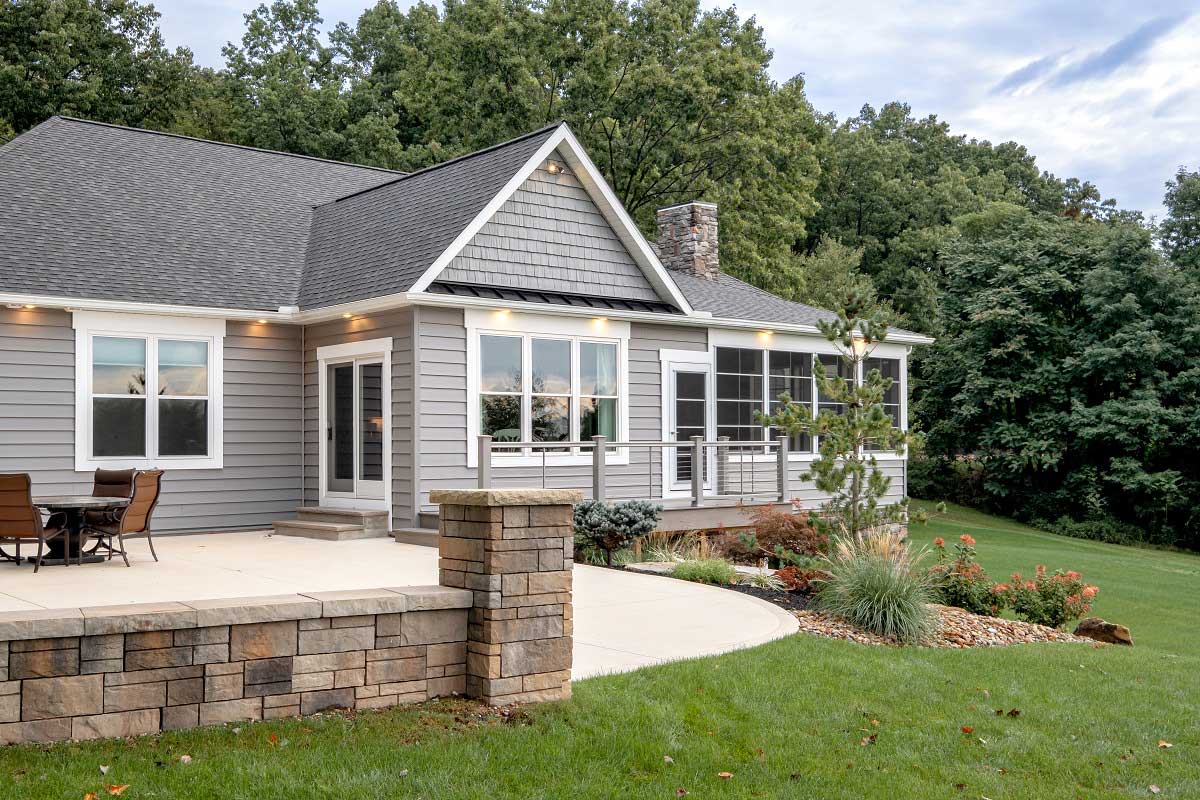
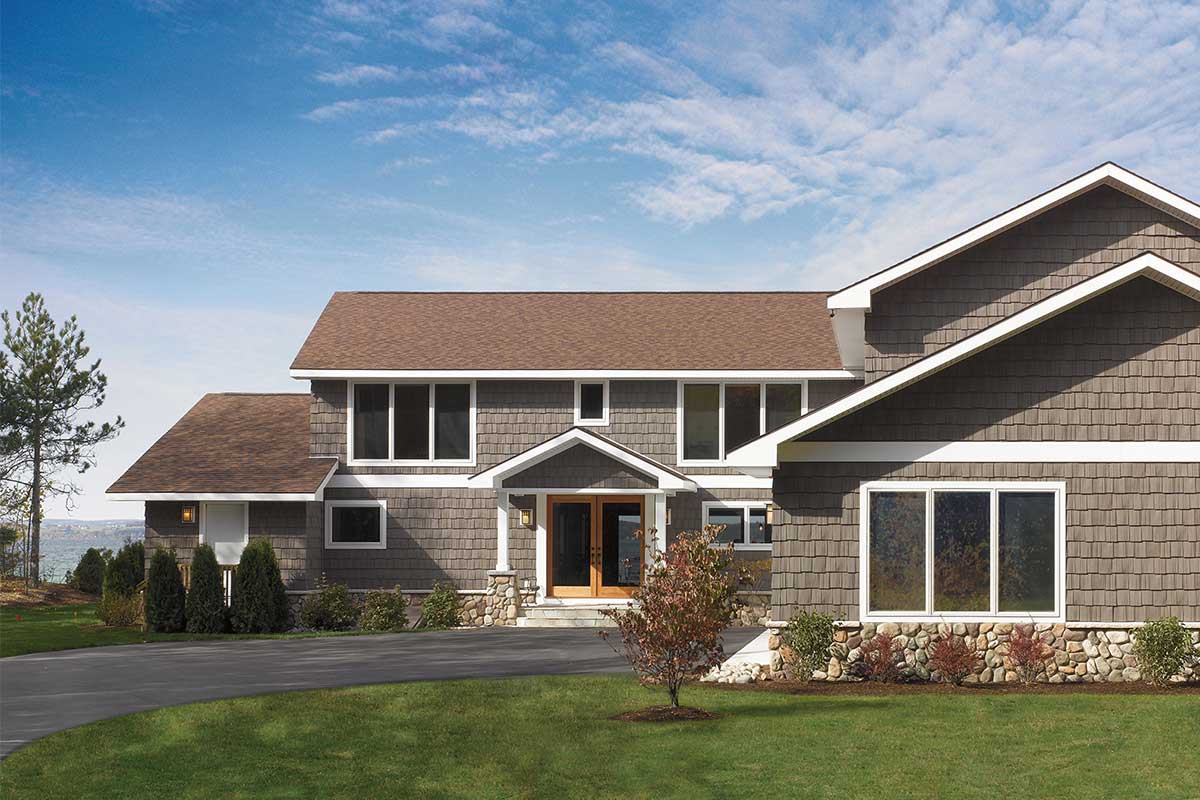
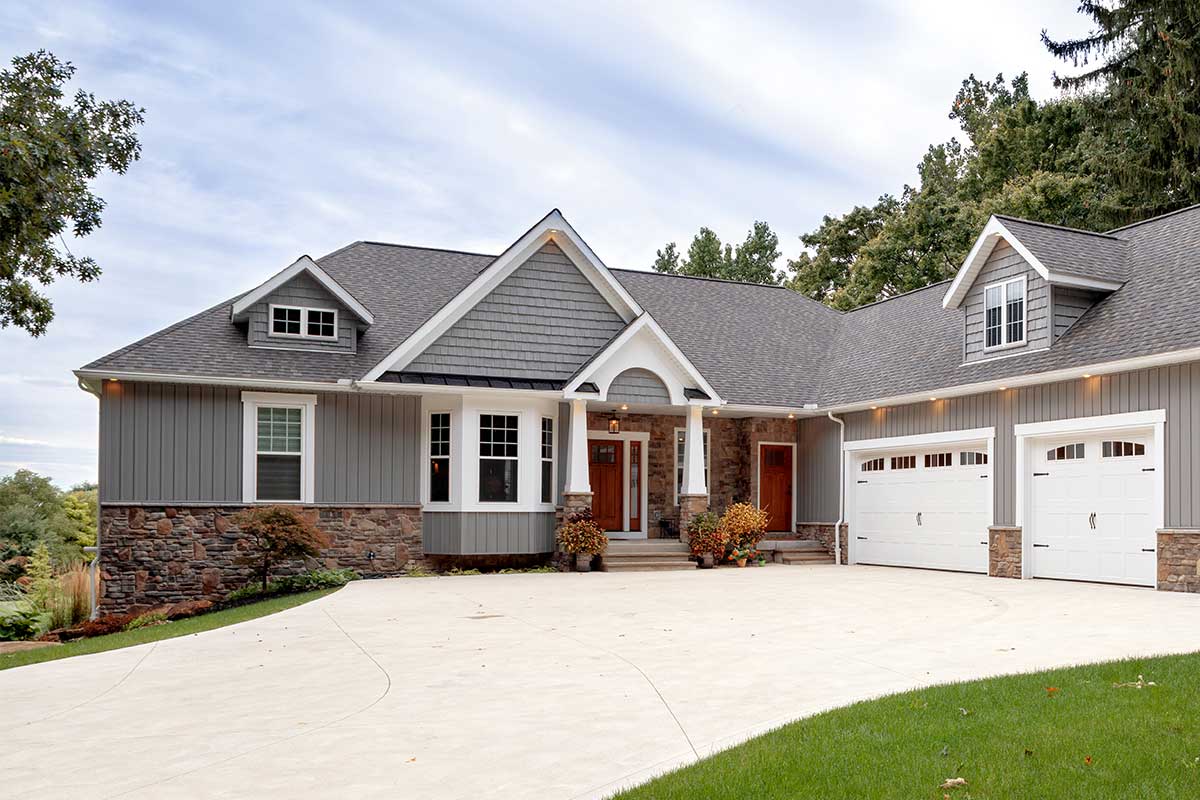
Vinyl and other polymeric siding prove that beauty can come without strings attached, and that lasting performance is possible without a premium price. It lets you achieve almost any architectural style, and it’s inherently easier to install and maintain, offering savings on installed cost compared to other cladding. Add that to strong industry training programs that help assure quality installations, and it’s easy to see how vinyl siding means you won’t have to compromise.

If you can dream it, vinyl siding can bring it to life.
A virtually endless range of styles, colors, and textures makes it easy to pursue any architectural style or personal taste, all without having to change installation practices.
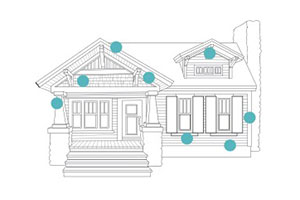
It’s easy to create a complete look.
Complementary vinyl siding profiles, trim, and accessories let you add the finishing touches to any design (and they’re all just as low maintenance as vinyl siding).
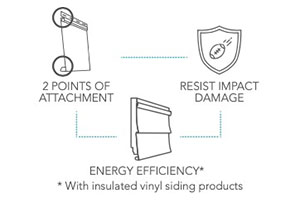
It’s engineered for life.
Vinyl siding is continually innovated for long-term durability. Multiple attachment points create superior wind resistance, with a minimum of 110 mph, and advanced UV-resistant coatings resist fading, helping even dark colors remain vibrant for years.
It’s virtually maintenance-free.
It’s easy to clean and refresh with mild soap and water from a garden hose, virtually eliminating the hassles of ongoing maintenance found in other siding products and offering a low cost of ownership.
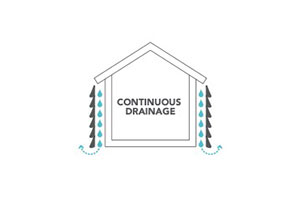
It’s immune to moisture damage.
You never have to paint or caulk to protect the vinyl siding material from water as with some other cladding materials, and vinyl siding actually helps a home’s wall breathe and dry out.
Its performance is certified and its sustainability is documented.
Most products are certified and independently verified to meet or exceed unique quality standards and performance characteristics, and its “green” attributes are fully documented by the industry’s first environmental product declarations (EPDs).


Frequently Asked Questions About Vinyl Siding
There are several distinct differences that are worthy of consideration as follows: maintenance, cost, and beauty/color. Hardie siding is a more expensive choice for the initial installation (approx 35%) and maintenance costs over the life of the product. Below are comparisons to help the decision process.
Vinyl Siding:
- MAINTENANCE: Requires no maintenance except periodic rinsing with a garden hose or pressure washer.
- COST: Can be applied over the old siding after any areas that are rotted or in poor condition are repaired. Very little waste disposal costs.
- BEAUTY/COLOR: With the introduction of high grade durable vinyl products, it would be a huge mistake to compare the beauty to low grade apartment communities or cheap builders grade siding jobs. A high quality job will be pleasing for many years. However, the color cannot be changed since vinyl siding cannot be painted.
Hardiplank (Fiber cement board)
- MAINTENANCE: Requires the homeowner to maintain (eg: paint) the siding on a periodic basis. FCS will hold paint for a longer period than traditional wood or composite sidings
- COST: Old siding must be completely removed and disposed of prior to applying new siding. There is a considerable amount of material to dispose of.
- BEAUTY/COLOR: Hardie siding will be aesthetically pleasing for many years. It has a nice wood grain texture and the siding color can be changed if so desired.
We offer a broad range of vinyl siding products, so you can choose one that’s easily affordable. Whichever you choose, you can expect the highest quality and lasting beauty. It doesn’t chip, peel, dent or rot, so you can forget costly repairs. Just rinse occasionally with a garden hose.
In addition, vinyl sidings are backed by a strong warranty. And because vinyl is the preferred siding for more and more homeowners, it retains most of its installed cost. Moreover, premium vinyl siding provides all the beauty of expensive wood sidings with your choice of smooth or grained surfaces; rich, low-gloss colors; and a variety of classic siding profiles.
Of course, if your home has special problems – for example, warped clapboards that have to be replaced or lead-based paint that has to be scraped and sanded off-the cost of painting can become truly staggering.
According to Remodeling magazine (October 2006), investing in new siding can prove to be an excellent choice in terms of payback. In the West, a homeowner can recoup 65% of the cost of siding in terms of resale value added to the home. In the East, the payback is 76%. In the South, it’s 84%. And in the Midwest, the cost recouped is 69%. Compare the ongoing costs of painting every three to five years to a one-time investment in new vinyl siding. For most homeowners the conclusion is obvious-vinyl siding is by far the better long-term value.
Exterior improvements such as the installation of vinyl siding also make a home more attractive on the market. According to a real estate agent interviewed by Remodeling, “Things like new siding and new windows will not add dollar for dollar value…(but) they will cause the house to sell quicker for more money.”
Another point to keep in mind: if, like many homeowners, you add insulation to an older home at the same time you’re having vinyl siding installed, you add even greater value and market appeal to your home.
Exceptional beauty. Durability. Economical price. Easy maintenance. Long-term value. Outstanding warranty. If these are your criteria, there’s no better choice than vinyl siding.
It’s ideal as an exterior material because vinyl siding doesn’t rot, crack, dent or warp. Plus it never peels or blisters. And because the color goes completely through most siding, it never has to be scraped, sanded or painted.
The relationship you have with your contractor is extremely important. Choose someone whose skills you trust, someone qualified to perform the task required, and someone you can work with comfortably.